About the Masthead
About FeedPellets
Megan Brooks
Founder & Lead Editor
Nearly a decade following feed formulation trends, ingredient sourcing shifts, and the expanding premium-specialty segment across poultry, rabbit, fish, and small-livestock markets.
The problem I kept running into was simple and maddening: search for 'best layer pellets' and you'd get either a forum thread from 2014 or a generic pet-food roundup that lumped chickens in with hamsters. Nobody was treating feed as the nuanced, species-specific, life-stage-sensitive category it actually is. That gap — between the question a serious homesteader is asking and the answer the internet was offering — is exactly why feedpellets.com exists. This site is the resource I wanted to find and couldn't.
What I bring to this work is a researcher's discipline applied to a category most editorial teams dismiss as too agricultural or too niche to bother with. I read the published nutritional analyses, the university extension bulletins, the manufacturer spec sheets, and — most importantly — the aggregated owner feedback across forums, verified retailer reviews, and independent hobbyist communities. When thousands of backyard flock keepers consistently report that a particular pellet causes feed waste due to fines, or that a fish feed sinks too fast for surface-feeding species, that pattern is signal. I find it, weigh it, and translate it into guidance you can act on.
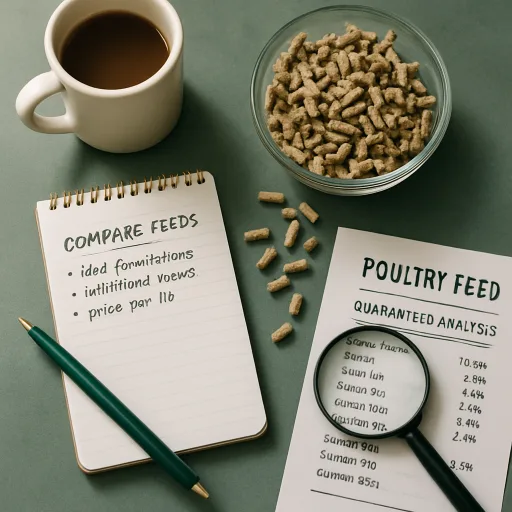
The way this site works is straightforward: every guide is built around a real buying decision, not a keyword. That means we organize by animal species, life stage, and production goal — laying hens versus meat birds, fingerlings versus adult koi, growing rabbits versus breeding does. Within each guide, we span the full price range honestly, from entry-level commodity feeds available at Tractor Supply to premium organic and non-GMO formulations from specialty millers like Modesto Milling or Scratch and Peck. The cost-per-use math gets shown. The ingredient panel differences get explained. Affiliate links go to the retailer with the best availability for that specific product — Amazon, Chewy, or a specialty ag supplier — whichever actually stocks it reliably.
What we refuse to do is flatten this category into a single commodity tier and call it a day. Feed quality varies enormously — in protein sources, amino acid profiles, pellet binding, moisture content, and additive philosophy — and those differences translate directly into animal health outcomes and your feed-conversion economics. We also refuse to recommend a product solely because it has a generous affiliate commission or a recognizable brand name. If owner reports across aggregated reviews consistently flag a quality-control problem, we say so plainly, regardless of who makes the product. Readers come here with real animals depending on the decision; that obligation shapes every editorial call.
This site is written for the person who takes their animals seriously and wants to understand the 'why' behind a recommendation, not just a ranked list to click through. That might be a backyard chicken keeper who's ready to move past the feed-store default and explore high-protein molt support pellets. It might be an aquaculture hobbyist dialing in a tilapia grow-out ration. It might be a small-farm operator comparing organic layer options at scale. Whatever the animal, whatever the budget, the standard here is the same: synthesize the available evidence, name the tradeoffs clearly, and give you a recommendation you can trust.